Buy brennholzhandel.eu ?
We are moving the project
brennholzhandel.eu .
Are you interested in purchasing the domain
brennholzhandel.eu ?
domain@kv-gmbh.de · 0541-91531010
Buy brennholzhandel.eu ?
How long can firewood be stored before its heating value is no longer effective?
The length of time firewood can be stored before its heating value diminishes depends on several factors, such as the type of wood, how it is stored, and the climate. In general, properly seasoned firewood can maintain its heating value for 1-2 years if stored in a dry, well-ventilated area. However, if firewood is exposed to moisture or pests, its heating value can decrease more quickly. It is important to regularly inspect and properly store firewood to ensure it remains effective for heating. **
What is the difference between calorific value and heating value?
Calorific value and heating value are terms used interchangeably to describe the amount of heat released during the combustion of a specific quantity of a fuel. However, calorific value typically refers to the heat released when the water vapor in the combustion products is condensed, while heating value refers to the heat released when the water vapor is not condensed. In practical terms, the heating value is usually higher than the calorific value because the heat released by the condensation of water vapor is not accounted for in the heating value. **


Similar search terms for Value
Top-Angebote
Products related to Value:
-
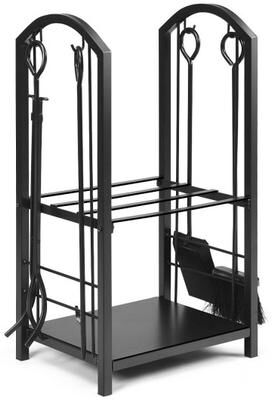
UIMOSO Indoor Firewood Rack, 1.3 ft 2-Tier Firewood Holder with Fireplace Tools, Brush, Shovel - 1.3 ft2-Tier Supports 400 lbs: Engineered with a reinforced double-layer structure, this firewood rack offers a remarkable 400 lbs load capacity, providing enhanced stability and ample storage for logs of all sizes.76,99 $*Shipping: 0,00 $Secure redirect to the provider
-
Piggy Value PackWelcome to the bone chilling, pulse-pounding world of PIGGY, the survival-horror game that will keep you up at night.This set includes:Piggy: InfectedPiggy: The CurePiggy: Graphic Novel #1: Permanent DetentionPiggy: The Official Guide Piggy Value Pack28,97 $*Shipping: 0,00 $Secure redirect to the provider



-
Should the firewood be on top or underneath the kindling?
The firewood should be placed underneath the kindling. This allows the kindling to catch fire more easily and then ignite the larger pieces of firewood. Placing the firewood on top of the kindling can smother the smaller pieces and make it more difficult for the fire to start. By placing the firewood underneath the kindling, you create a better environment for the fire to grow and spread. **
-
Is it possible to collect firewood and kindling in Saxony-Anhalt?
Yes, it is possible to collect firewood and kindling in Saxony-Anhalt. However, it is important to follow local regulations and obtain any necessary permits before collecting wood from forests or protected areas. Additionally, it is recommended to only collect dead wood and branches from the ground to avoid damaging live trees or harming the environment. **
-
What does the supply of firewood look like, both as firewood and as logs?
The supply of firewood can vary depending on location and season. In some areas, firewood is readily available for purchase from local suppliers or can be collected from fallen trees and branches. As logs, the supply may come from sustainable forestry practices or from clearing land for development. The availability of firewood and logs can also be impacted by environmental regulations and conservation efforts. Overall, the supply of firewood and logs can be influenced by factors such as demand, sustainability, and local regulations. **
-
Where can you buy firewood for the fireplace?
You can buy firewood for the fireplace at various places such as home improvement stores, garden centers, and local firewood suppliers. Many grocery stores and gas stations also sell firewood, especially during the colder months. Additionally, you can often find firewood for sale at farmers' markets or through online marketplaces. It's important to ensure that the firewood is properly seasoned and dry before using it in your fireplace. **


What is the best firewood for a fireplace stove?
The best firewood for a fireplace stove is hardwood such as oak, maple, ash, or birch. Hardwoods burn hotter and longer than softwoods like pine or spruce, making them more efficient for heating. Additionally, hardwoods produce less creosote buildup in the chimney, reducing the risk of chimney fires. It is important to make sure the firewood is properly seasoned and dry before burning to ensure a clean and efficient burn. **
What is the difference between calorific value and higher heating value, and how are they calculated?
Calorific value and higher heating value both measure the energy content of a fuel, but they are calculated differently. Calorific value is the total amount of heat released when a fuel is burned completely, while higher heating value includes the heat released from the condensation of water vapor in the combustion products. Calorific value is calculated by measuring the heat released in a bomb calorimeter, while higher heating value is calculated by subtracting the heat of vaporization of water from the calorific value. In summary, higher heating value accounts for the heat released from the condensation of water vapor, while calorific value does not. **
Top-Angebote
Products related to Value:
-
UIMOSO Indoor Firewood Rack, 1.3 ft 2-Tier Firewood Holder with Fireplace Tools, Brush, Shovel - 1.3 ft2-Tier Supports 400 lbs: Engineered with a reinforced double-layer structure, this firewood rack offers a remarkable 400 lbs load capacity, providing enhanced stability and ample storage for logs of all sizes.76,99 $*Shipping: 0,00 $Secure redirect to the provider
-
How long can firewood be stored before its heating value is no longer effective?
The length of time firewood can be stored before its heating value diminishes depends on several factors, such as the type of wood, how it is stored, and the climate. In general, properly seasoned firewood can maintain its heating value for 1-2 years if stored in a dry, well-ventilated area. However, if firewood is exposed to moisture or pests, its heating value can decrease more quickly. It is important to regularly inspect and properly store firewood to ensure it remains effective for heating. **
-
What is the difference between calorific value and heating value?
Calorific value and heating value are terms used interchangeably to describe the amount of heat released during the combustion of a specific quantity of a fuel. However, calorific value typically refers to the heat released when the water vapor in the combustion products is condensed, while heating value refers to the heat released when the water vapor is not condensed. In practical terms, the heating value is usually higher than the calorific value because the heat released by the condensation of water vapor is not accounted for in the heating value. **
-
Should the firewood be on top or underneath the kindling?
The firewood should be placed underneath the kindling. This allows the kindling to catch fire more easily and then ignite the larger pieces of firewood. Placing the firewood on top of the kindling can smother the smaller pieces and make it more difficult for the fire to start. By placing the firewood underneath the kindling, you create a better environment for the fire to grow and spread. **
-
Is it possible to collect firewood and kindling in Saxony-Anhalt?
Yes, it is possible to collect firewood and kindling in Saxony-Anhalt. However, it is important to follow local regulations and obtain any necessary permits before collecting wood from forests or protected areas. Additionally, it is recommended to only collect dead wood and branches from the ground to avoid damaging live trees or harming the environment. **
Similar search terms for Value
-
Piggy Value PackWelcome to the bone chilling, pulse-pounding world of PIGGY, the survival-horror game that will keep you up at night.This set includes:Piggy: InfectedPiggy: The CurePiggy: Graphic Novel #1: Permanent DetentionPiggy: The Official Guide Piggy Value Pack28,97 $*Shipping: 0,00 $Secure redirect to the provider
-
What does the supply of firewood look like, both as firewood and as logs?
The supply of firewood can vary depending on location and season. In some areas, firewood is readily available for purchase from local suppliers or can be collected from fallen trees and branches. As logs, the supply may come from sustainable forestry practices or from clearing land for development. The availability of firewood and logs can also be impacted by environmental regulations and conservation efforts. Overall, the supply of firewood and logs can be influenced by factors such as demand, sustainability, and local regulations. **
-
Where can you buy firewood for the fireplace?
You can buy firewood for the fireplace at various places such as home improvement stores, garden centers, and local firewood suppliers. Many grocery stores and gas stations also sell firewood, especially during the colder months. Additionally, you can often find firewood for sale at farmers' markets or through online marketplaces. It's important to ensure that the firewood is properly seasoned and dry before using it in your fireplace. **
-
What is the best firewood for a fireplace stove?
The best firewood for a fireplace stove is hardwood such as oak, maple, ash, or birch. Hardwoods burn hotter and longer than softwoods like pine or spruce, making them more efficient for heating. Additionally, hardwoods produce less creosote buildup in the chimney, reducing the risk of chimney fires. It is important to make sure the firewood is properly seasoned and dry before burning to ensure a clean and efficient burn. **
-
What is the difference between calorific value and higher heating value, and how are they calculated?
Calorific value and higher heating value both measure the energy content of a fuel, but they are calculated differently. Calorific value is the total amount of heat released when a fuel is burned completely, while higher heating value includes the heat released from the condensation of water vapor in the combustion products. Calorific value is calculated by measuring the heat released in a bomb calorimeter, while higher heating value is calculated by subtracting the heat of vaporization of water from the calorific value. In summary, higher heating value accounts for the heat released from the condensation of water vapor, while calorific value does not. **
* All prices are inclusive of VAT and, if applicable, plus shipping costs. The offer information is based on the details provided by the respective shop and is updated through automated processes. Real-time updates do not occur, so deviations can occur in individual cases. ** Note: Parts of this content were created by AI.